

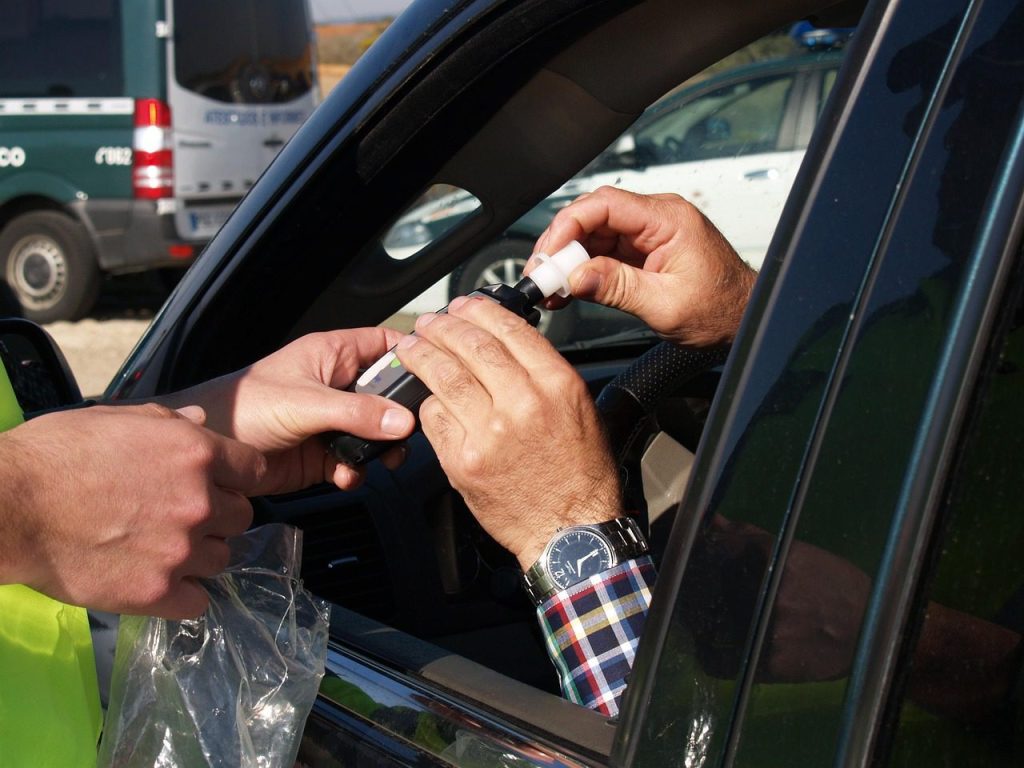
If you’re pulled over on suspicion of drunk driving, the breathalyzer result is just one piece of evidence officers can use. Even without a high number, they may still find enough reason to arrest you for DUI. Passing that test does not guarantee you won’t be charged. Many drivers are surprised to learn that a passing breathalyzer result doesn’t automatically clear them, and the reverse is true too: failing the test doesn’t guarantee a conviction.
If you’re facing DUI charges in California, contact The Law Offices of Arash Hashemi. As a Los Angeles DUI attorney with more than 20 years of experience, he knows how to challenge the evidence prosecutors rely on when the breath test doesn’t help their case.
Why a Passing Breathalyzer Doesn’t Automatically Clear You
California actually recognizes two different ways to get charged with DUI, and only one of them has anything to do with your breathalyzer number.
- Per se DUI: This one is automatic. Once your blood alcohol content hits .08% or higher, that number alone is enough to support a charge, regardless of how you looked or acted during the stop.
- Impairment DUI: This one doesn’t care what your BAC reading was. Prosecutors can still bring a charge based on how you were driving, how you performed on field sobriety tests, and what the officer observed once you were pulled over.
A passing breathalyzer only takes the first option off the table. It does nothing to stop the second one, and in practice, that’s usually the charge prosecutors fall back on when the breath test doesn’t give them the number they wanted. If an officer already believed you were impaired before the test was ever administered, a low reading rarely changes what ends up in the police report.
What Else Police Use to Build a DUI Case
Once the breathalyzer stops helping their case, officers and prosecutors turn to everything else that happened during the stop.
- Field sobriety tests: Balance, coordination, and eye-tracking exercises give officers something to point to besides a number, even though these tests are far more subjective than a breath machine.
- Driving pattern: Swerving, speeding, or a delayed reaction to the officer’s lights get written into the report before the breathalyzer is ever administered, and that description doesn’t disappear just because the test came back clean.
- Statements you made: Anything said during the stop, including admitting to having “a couple drinks,” ends up in the police report and can be used against you regardless of your BAC.
- Officer’s own observations: Slurred speech, bloodshot eyes, or the smell of alcohol are all subjective calls the officer gets to make, and courts generally allow that testimony even without chemical proof to back it up.
- Video footage: Dash cam or body cam footage from before the stop can show driving that doesn’t match a clean breathalyzer result, and prosecutors will often point to that footage instead of the machine.
None of these carry the same weight as a chemical test on their own. Stacked together, though, they’re often enough to convince a jury that the number on the breathalyzer didn’t tell the whole story.
Can a Breathalyzer Actually Be Wrong?
Yes, and more often than most people assume. A breathalyzer doesn’t measure blood directly. It measures alcohol vapor in your breath and estimates BAC from that, which leaves room for error.
Dental work is one common culprit. Bridges, caps, and even certain retainers can trap trace amounts of alcohol, throwing off a reading that has nothing to do with how much you actually drank. Acid reflux and recent vomiting cause similar problems, since residual alcohol sitting in the esophagus or mouth gets picked up by the machine as if it came from your lungs. Mouthwash and breath mints can cause the same problem, since many contain trace amounts of alcohol that the machine picks up as if it came from your stomach.
Timing matters too. Alcohol isn’t absorbed into your bloodstream instantly, so a test taken shortly after your last drink can register lower than what your BAC will be an hour later. This is where a “rising BAC” argument comes in: it’s entirely possible to be under the limit at the moment you’re pulled over and over it by the time you actually take the test, or the other way around.
None of this means the machine lied. It means the number is only as reliable as the conditions it was taken under. An experienced DUI attorney can request the machine’s calibration and maintenance records, cross-examine the officer on how the test was administered, and challenge the timing of the test itself. When those details don’t hold up, the “passing” or “failing” number attached to your case can lose its weight entirely. Depending on your case, you may also have the right to request an independent blood test, which measures BAC directly and is generally more reliable than a breath sample.
Passed One Test, Failed the Other, Where Does That Leave You?
It’s possible to pass the breathalyzer and still fail the field sobriety test, or the other way around. Either combination can lead to a DUI charge, and neither one automatically wins or loses the case for you.
Say you blow under .08% but stumble through the walk-and-turn test. An officer can still arrest you based on that performance alone, breathalyzer result aside. Flip it around: you nail the sobriety test but blow a .09%, and the number itself becomes the case, regardless of how steady you looked standing on one foot.
What actually happens next comes down to which piece of evidence prosecutors lean on harder, and how well that piece holds up once someone starts asking questions about it.
How a DUI Charge Like This Gets Challenged
A DUI charge built on mixed test results isn’t unbeatable. It’s often built on a handful of decisions that can be challenged one by one.
- Was the stop itself legal in the first place?
- Did the officer follow the correct procedure administering the sobriety test?
- Is the breathalyzer’s calibration and maintenance record actually clean?
- Does the evidence, taken together, really add up to proof beyond a reasonable doubt?
Pull on any one of these threads hard enough, and the case prosecutors thought they had can start to fall apart.
Contact a Los Angeles DUI Attorney If You’re Facing Charges
A DUI charge that follows a passing breathalyzer result can feel confusing, even unfair. But a passing number doesn’t mean the case against you is weak. Prosecutors may still be relying on officer observations, field sobriety test results, or other signs of impairment to move forward.
Attorney Arash Hashemi has spent more than 20 years defending DUI cases throughout Los Angeles, and knows how to question every part of that evidence, from how the stop was conducted to how the tests were administered. At The Law Offices of Arash Hashemi, that review starts with a conversation about exactly what happened during your stop.
Call (310) 448-1529 or schedule a free consultation online to find out where your case actually stands.
Disclaimer: The content provided here is for informational purposes only and does not constitute legal advice. It is not intended to predict outcomes, as individual circumstances vary and laws may change over time. Those seeking legal advice should consult with a qualified attorney to understand how current laws apply to their specific situation. For detailed legal guidance on the topics discussed, please contact our law firm directly.
