
Henry Cantor

Adderall pills and prescription bottle in a California drug possession case

Possession of Adderall Without a Prescription in California

Adderall is so widely prescribed that many people treat it as a harmless study aid or productivity boost. Under California law, however, Adderall (amphetamine and dextroamphetamine) is a Schedule II controlled substance. Possessing it without a valid prescription is a crime, and sharing or selling even a single pill can lead to a felony charge.

Possession of Adderall Without a Prescription in California Read More »

Signed contract and cash representing a theft by false pretenses case in California

California Penal Code § 532 PC – Theft by False Pretenses

Under California Penal Code 532 PC, it is a crime to knowingly obtain someone’s money, labor, or property through a false or fraudulent representation. Unlike traditional theft, the victim hands over the property voluntarily, but only because they were deceived. California prosecutes theft by false pretenses under PC 532 and the state’s general theft statute,

California Penal Code § 532 PC – Theft by False Pretenses Read More »

Homeowner protecting property in California, illustrating when reasonable force is legal

Can You Use Force to Protect Your Property in California?

If someone is attempting to steal from you, it is important to understand your rights when it comes to defending your property with force. In California, Penal Code 693 and California’s criminal jury instructions (CALCRIM 3476) allow you to use reasonable force to protect your property from theft or damage. However, deadly force is only

Can You Use Force to Protect Your Property in California? Read More »

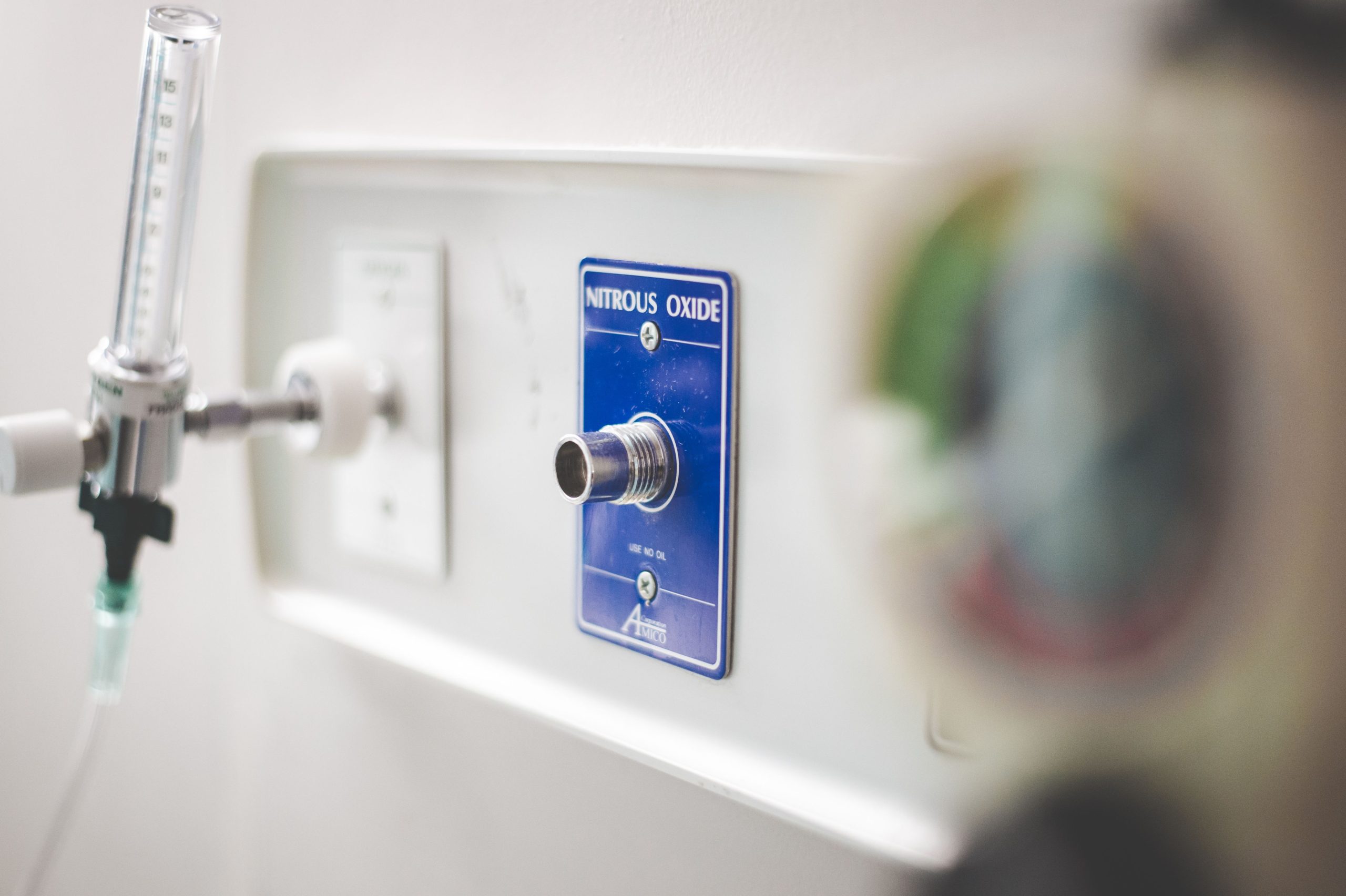
Graphic detailing California Penal Code 381b PC possession of nitrous oxide laws, penalties, and defense strategies.

California Penal Code § 381b PC – Possession of Nitrous Oxide

California Penal Code Section 381b PC makes it a misdemeanor to possess nitrous oxide, frequently referred to as “laughing gas” or “whippets,” with the specific intent to inhale or ingest it for recreational intoxication. Because nitrous oxide maintains widespread, legitimate utility across dentistry, culinary operations, and automotive performance tuning, simple possession of the substance is

California Penal Code § 381b PC – Possession of Nitrous Oxide Read More »

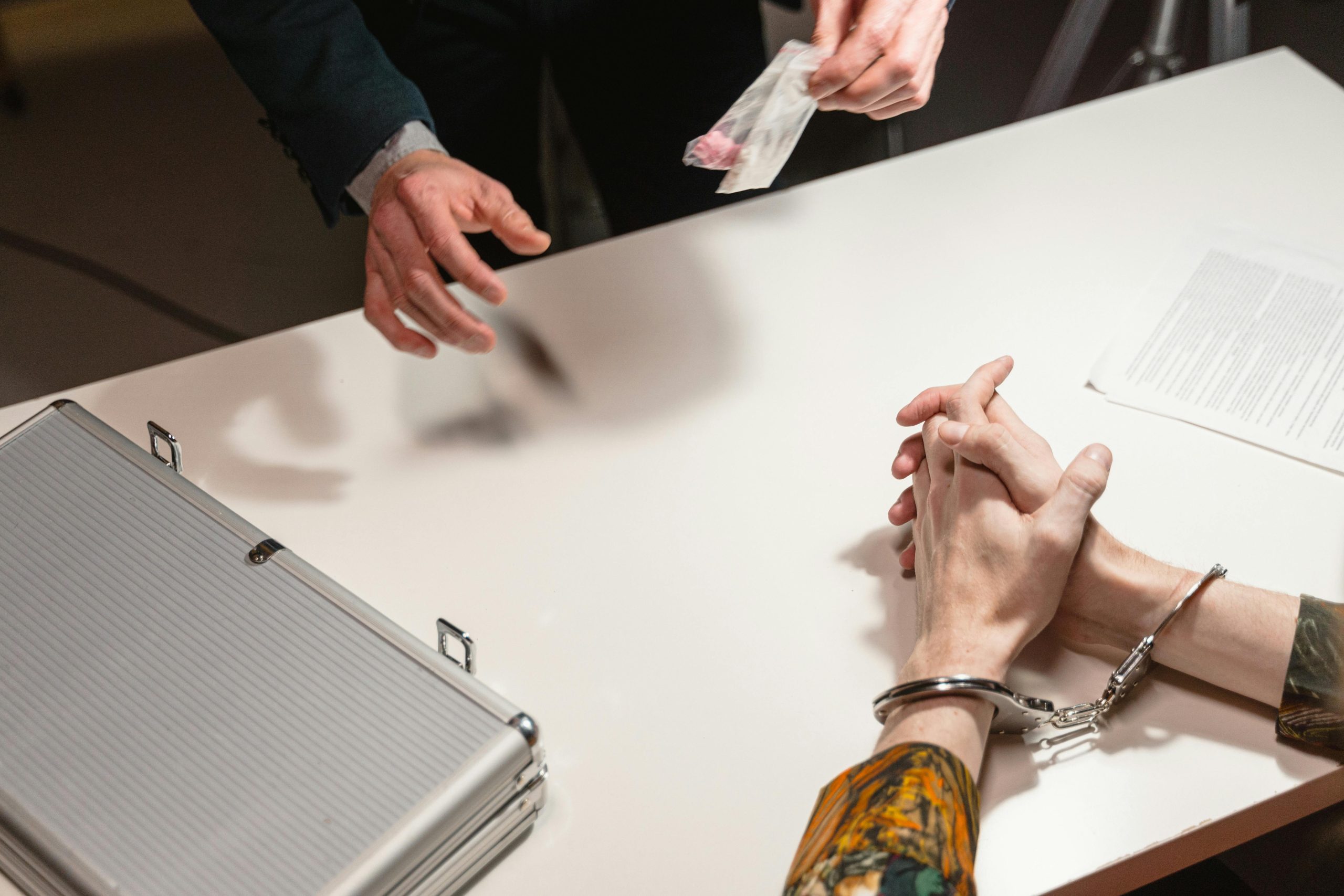
Los Angeles criminal defense attorney Arash Hashemi explaining California Health and Safety Code 11370.1 HS and defenses for drug possession while armed.

California Health and Safety Code § 11370.1 HS – Possession of a Controlled Substance While Armed

A standard traffic stop or street encounter can instantly escalate into a life-altering legal crisis if police find both illicit drugs and a firearm in your vehicle or on your person. In California, possessing a firearm while in possession of certain controlled substances is not a minor infraction or simple misdemeanor. It is charged as

California Health and Safety Code § 11370.1 HS – Possession of a Controlled Substance While Armed Read More »

Los Angeles criminal defense attorney Arash Hashemi explaining how to clear a warrant in California without going to jail.

How to Clear a Warrant in California Without Going to Jail

You can clear an active warrant in California without going to jail, provided you take proactive legal action before law enforcement arrests you. The most effective way to resolve a warrant is to have our criminal defense team file a motion to “recall and quash” it in court. Depending on whether your warrant stems from

How to Clear a Warrant in California Without Going to Jail Read More »

Los Angeles police officer conducting a traffic stop, illustrating reasonable suspicion vs probable cause in California.

Reasonable Suspicion vs. Probable Cause: What’s the Difference in a California Stop or Arrest?

When a police officer stops, questions, or searches you in California, that action has to be backed by real legal justification, not just a hunch. The two standards that decide whether an officer acted lawfully are reasonable suspicion and probable cause, and people often treat them as interchangeable even though they carry very different legal

Reasonable Suspicion vs. Probable Cause: What’s the Difference in a California Stop or Arrest? Read More »

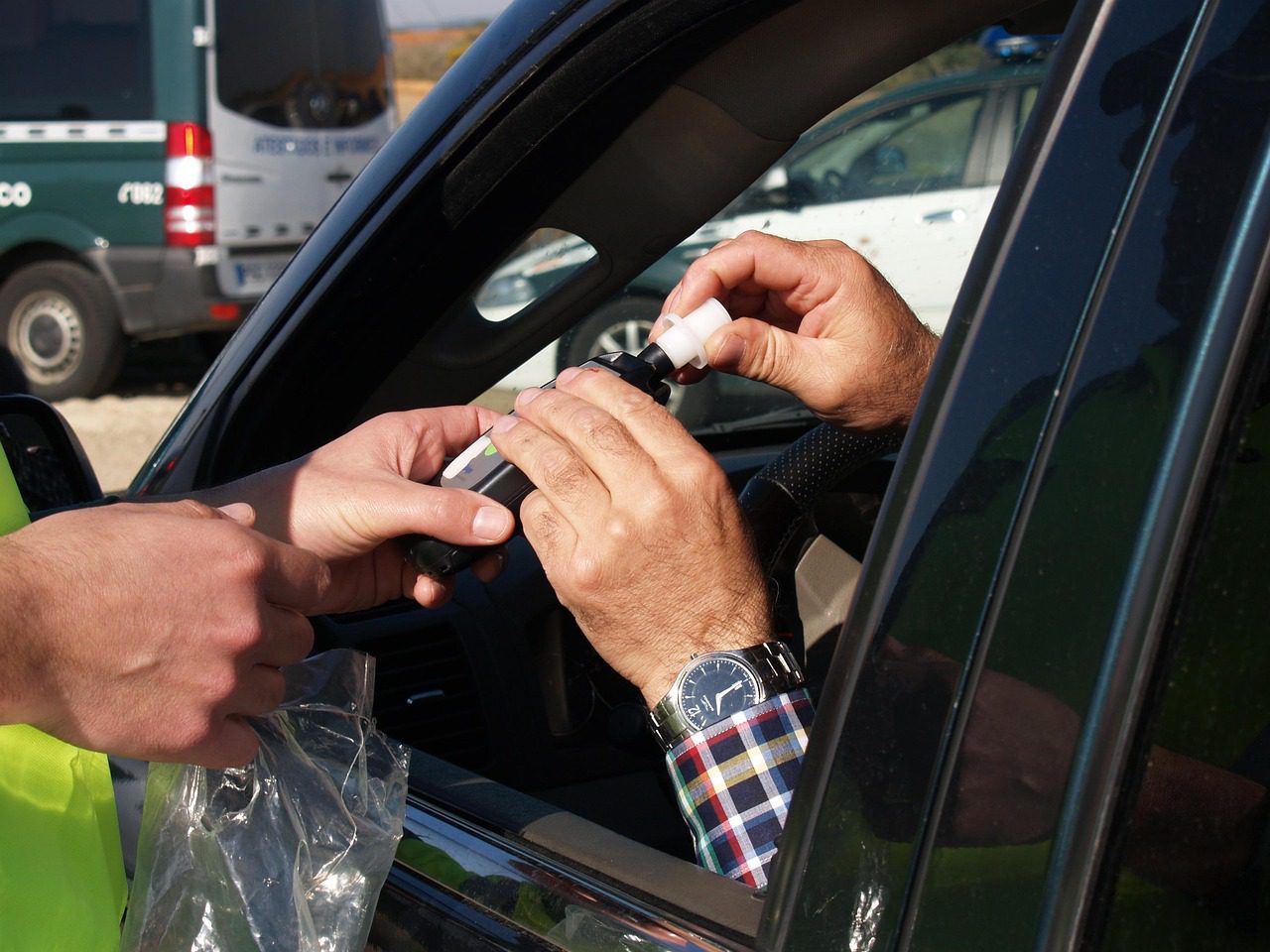
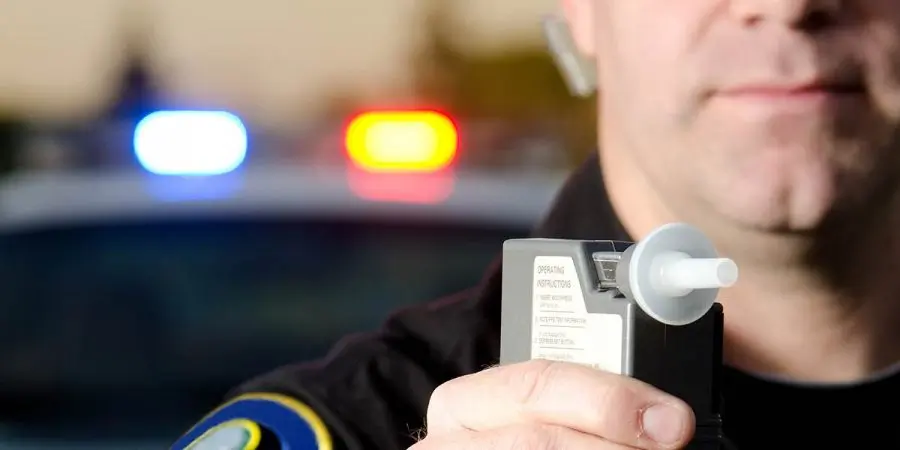
Police officer holding a breathalyzer device during a DUI traffic stop that could cost a California professional license

Can a DUI Cause You to Lose Your Professional License in California?

A DUI arrest can feel overwhelming enough on its own, but if you hold a professional license issued by the State of California, the consequences may extend far beyond the courtroom. Physicians, nurses, attorneys, real estate agents, contractors, and dozens of other licensed professionals can face a separate investigation from their own licensing board, running

Can a DUI Cause You to Lose Your Professional License in California? Read More »