

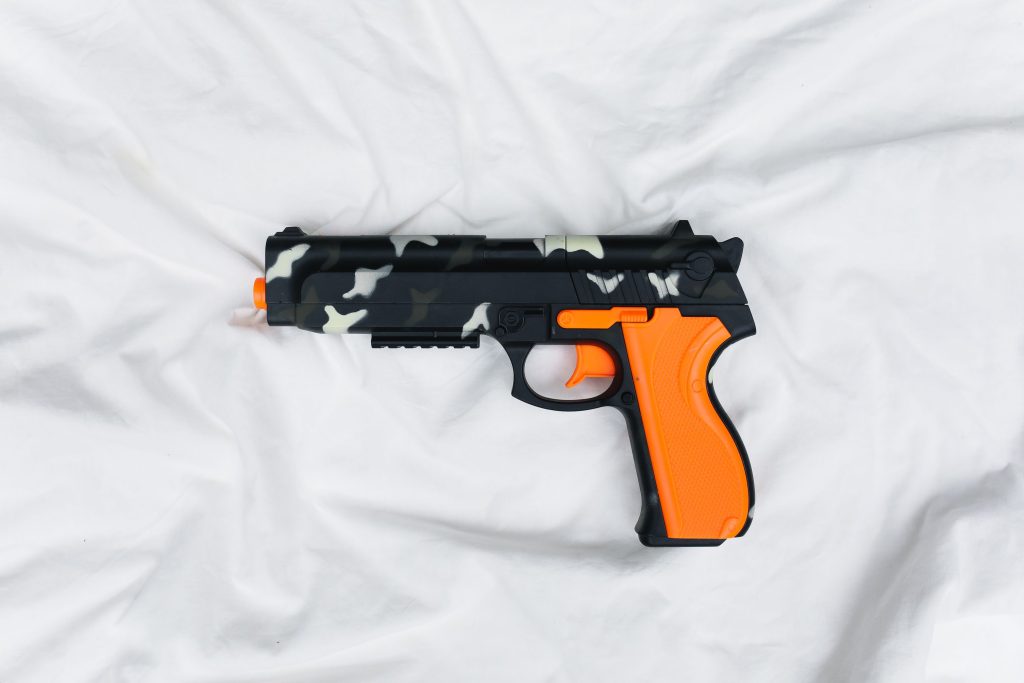
Pulling out a toy gun, a replica prop, or a BB gun during an argument can lead to an arrest just as quickly as a real firearm. Under California Penal Code 417.4 PC, it is a misdemeanor to draw or exhibit an imitation firearm in a threatening manner that causes someone to fear bodily harm. A conviction carries a mandatory minimum of 30 days in county jail, even if the “gun” could never fire a single shot.
California takes these cases seriously because victims, bystanders, and police officers usually cannot tell a replica from a real gun in the moment. A realistic fake gun can turn a heated situation into a dangerous police response, and prosecutors often treat these cases as aggressively as real weapons charges. The good news is that PC 417.4 does not apply when the item was displayed in self-defense, and many cases can be challenged based on how the item looked or what witnesses actually saw.
If you have been arrested for brandishing an imitation firearm, call The Law Offices of Arash Hashemi at (310) 448-1529 for a free consultation with an experienced Los Angeles criminal defense attorney to discuss your case and explore your options for protecting your record and your future.
What Is an Imitation Firearm Under California Law?
Under Penal Code 16700, an imitation firearm is any BB device, toy gun, replica, or other device that is so similar in color and overall appearance to a real firearm that a reasonable person would believe it is real.
Items that can qualify include:
- Replica or prop guns used in film and theater
- Airsoft guns and BB guns, especially if the orange safety tip has been removed, painted, or covered
- Realistic toy guns with black or metallic finishes
- Replica guns sold for display or collecting
Whether an item qualifies depends on how it looked to a reasonable person at the time, not on whether it could actually fire.
Elements of a PC 417.4 Charge
To convict you of brandishing an imitation firearm, the prosecutor must prove every element of the offense beyond a reasonable doubt. The prosecutor does not have to prove you intended to hurt anyone or that the item could fire. Using a realistic fake gun to scare or intimidate someone can be enough for a conviction. The prosecution must show that:
- You drew or exhibited an imitation firearm, meaning you pulled it out, held it, or displayed it to another person
- You did so in a threatening manner against another person
- Your conduct caused a reasonable person to fear bodily harm
- You were not acting in self-defense or defense of another
Penalties for Brandishing an Imitation Firearm
A violation of Penal Code 417.4 is a misdemeanor. The penalties include:
- A minimum of 30 days in county jail
- Up to six months in county jail
- A fine of up to $1,000
- Misdemeanor probation in some cases
A conviction can also lead to consequences beyond the sentence, including problems with background checks, professional licenses, and immigration status. The person you threatened may also file a separate civil lawsuit.
Related California Weapons Offenses
Brandishing a fake gun can lead to other charges depending on the circumstances:
- Brandishing a Weapon or Firearm – Penal Code 417: If the gun was real, you face a minimum of three months in county jail. Brandishing a real firearm at a police officer can be charged as a felony.
- Open Display of an Imitation Firearm – Penal Code 20170: Openly displaying a fake gun in a public place is a separate offense, usually an infraction for a first violation.
- Robbery – Penal Code 211: Using a fake gun to take property from someone can still be charged as felony robbery, because the victim was put in fear.
- Carrying a Concealed Weapon – Penal Code 25400: Applies to real firearms, but is often investigated alongside brandishing complaints.
Defenses to a PC 417.4 Charge
Every brandishing case depends on what the witnesses saw and how the item looked. Common defenses include:
- Self-defense or defense of others: PC 417.4 does not apply if you displayed the item in self-defense. If you reasonably believed you or someone else was in danger, and displaying the item was a reasonable response, you are not guilty. Learn more about California self-defense laws.
- The item did not look real: If a reasonable person would have recognized it as a toy, it does not meet the legal definition of an imitation firearm.
- No threatening conduct: Simply having or showing a replica is not enough. If you did not display it in a threatening manner, or no reasonable person would have feared harm, the charge cannot stand.
- False accusations or mistaken identity: Brandishing cases often arise from heated disputes, neighbor conflicts, and road rage incidents where witnesses exaggerate or misidentify what they saw. Video and independent witnesses can be critical.
Related Resources
- California Gun Crimes
- Which Self-Defense Weapons Are Legal in California?
- What Happens If a Minor Is Caught With a Gun in California?
Speak With a Los Angeles Criminal Defense Attorney
A brandishing charge can turn an ordinary argument into a criminal case with mandatory jail time. These cases often depend on witness statements and police reports that leave out important details, so getting an attorney involved early can make a real difference.
Attorney Arash Hashemi brings over 20 years of criminal defense experience and focuses on weapons and self-defense cases throughout Los Angeles. We will review the evidence, challenge how the item was classified, and work toward a dismissal or reduction of your charges.
Call The Law Offices of Arash Hashemi today at (310) 448-1529 or schedule a free consultation online. Our office is located at 11845 W Olympic Blvd #520, Los Angeles, CA 90064.
Frequently Asked Questions
Can you be charged under PC 417.4 if the fake gun had an orange tip?
Possibly. An orange tip makes it less likely a reasonable person would believe the gun is real, which can be a strong defense. But if the tip was covered, hard to see, or the encounter happened at night, prosecutors may still argue it looked real.
Is brandishing an airsoft gun a felony in California?
No. Brandishing an imitation firearm under PC 417.4 is a misdemeanor. However, using a fake gun to commit another crime, such as robbery, can lead to felony charges.
What is the difference between PC 417 and PC 417.4?
PC 417 covers brandishing a real firearm or deadly weapon and carries a minimum of three months in jail for a firearm. PC 417.4 covers imitation firearms and carries a minimum of 30 days and a maximum of six months.
Disclaimer: The content provided here is for informational purposes only and does not constitute legal advice. It is not intended to predict outcomes, as individual circumstances vary and laws may change over time. Those seeking legal advice should consult with a qualified attorney to understand how current laws apply to their specific situation. For detailed legal guidance on the topics discussed, please contact our law firm directly.
