

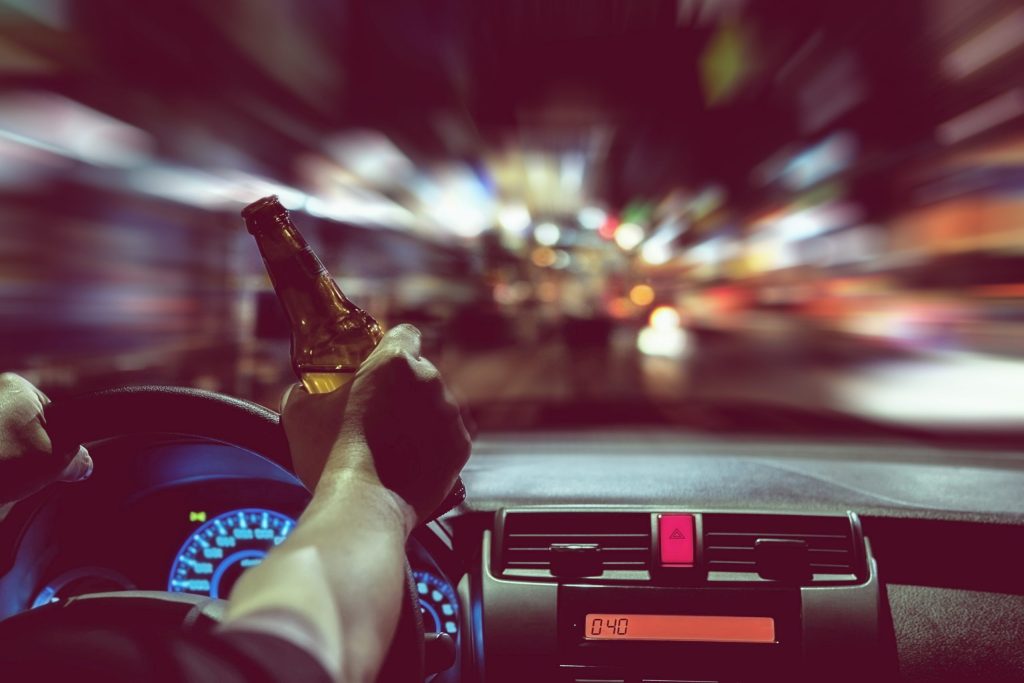
A DUI arrest in California starts two separate cases at the same time. The first is a criminal case filed under Vehicle Code 23152, where a conviction can bring jail, fines, probation, and a permanent record. The second is an administrative case with the DMV, which decides whether your driver’s license is suspended. Each case has its own deadlines and its own rules, and decisions made in the first few days often shape how both of them end.
Most people arrested for DUI have never been through the system before, which is why the same mistakes come up again and again. Here are the nine most common mistakes to avoid after a DUI arrest in California, and what to do instead.
The 9 Most Common Mistakes After a DUI Arrest
1. Missing the 10-Day DMV Deadline
This is the most expensive mistake on the list, and it happens before most people even think about court.
When you are arrested for DUI, the officer usually takes your physical license and gives you a pink notice that works as a temporary license for 30 days. You have only 10 days from the date of arrest to request an Administrative Per Se (APS) hearing with the DMV. If you do nothing, your license is automatically suspended once the temporary license expires. For a first offense, that suspension is four months.
Requesting the hearing keeps your license valid while the case is pending and gives your attorney a chance to challenge the stop, the arrest, and the test results. A Los Angeles DUI attorney can make the request for you and handle the hearing. Our guide on how to protect your license after a DUI arrest explains this process in more detail.
2. Confusing the Roadside Breath Test With the Chemical Test
California has two very different breath tests, and mixing them up causes real damage.
- The roadside test (PAS): The handheld Preliminary Alcohol Screening device used before an arrest is voluntary if you are 21 or older and not on probation for DUI. You can politely decline it.
- The post-arrest chemical test: After a lawful arrest, California’s implied consent law requires you to take a breath or blood test. Refusing it leads to a one-year license suspension for a first offense, makes it much harder to keep driving on a restricted license, and can add jail time if you are convicted. Prosecutors can also tell the jury you refused.
For more on your rights at each stage, see Can You Refuse a Breathalyzer Test in California?
3. Talking Too Much to the Officer
You must provide your license, registration, and proof of insurance. You do not have to explain where you were, how much you drank, or when your last drink was. Answers like “just two beers” show up in DUI police reports constantly, and they are always used against the driver. Politely saying that you prefer not to answer questions is your right under the Fifth Amendment.
4. Agreeing to Field Sobriety Tests
Walking a straight line, standing on one leg, and following a pen with your eyes are not required by law. These tests are designed to give officers reasons to make an arrest, and they are scored subjectively. Nerves, uneven pavement, poor lighting, footwear, fatigue, and medical conditions can all cause a completely sober person to “fail.”
Declining carries no license penalty. And if you already took the tests, failing one does not guarantee a conviction.
5. Assuming the BAC Result Means You Will Lose
A reading of 0.08% or higher feels final, but breath and blood tests are only as reliable as the people and equipment behind them. California’s Title 17 regulations set strict rules for alcohol testing, and violations are common. An experienced DUI attorney will look at whether:
- The officer watched you continuously for 15 minutes before the breath test
- The breath machine was properly calibrated and maintained
- The blood sample was collected, stored, and preserved correctly
- Your BAC was rising at the time of testing, meaning it may have been lower while you were actually driving
Errors in any of these areas can lead to reduced charges or a dismissal.
6. Posting About the Arrest on Social Media
A frustrated post about the officer, a photo from earlier that night, or a comment to a friend can end up as evidence. Anything you write can be used to challenge your version of events. Until your case is closed, the safest approach is to say nothing about it online. Our article on social media evidence in criminal cases explains how this happens.
7. Driving on a Suspended License
If your license is suspended, driving anyway turns one case into two. Driving on a license suspended for DUI is a separate misdemeanor under Vehicle Code 14601.2. A first conviction carries at least 10 days in county jail and can extend your suspension.
There is usually a legal way to keep driving. Most first-time offenders can get a restricted license by installing an ignition interlock device (IID).
8. Treating a First DUI Like a Traffic Ticket
A first-offense DUI in California is a criminal misdemeanor, not an infraction. Even without an accident or injury, a conviction can bring:
- Up to six months in county jail
- Three to five years of probation
- Fines and penalty assessments that often total several thousand dollars
- A mandatory DUI education program, three months or longer depending on your BAC
- A license suspension and higher insurance rates for years
A DUI conviction also counts as a prior for 10 years. A second DUI within that window brings mandatory jail time and a longer license suspension. That is why a first-time DUI deserves a serious defense, not a quick guilty plea.
9. Waiting to Hire a DUI Lawyer
Every day matters in a DUI case. Surveillance video from nearby businesses is often recorded over within weeks, and the 10-day DMV deadline passes quickly.
An early call to a Los Angeles DUI attorney means someone can request the DMV hearing on time, preserve video and body camera footage, and start reviewing the stop and the testing right away. Depending on the evidence, that can lead to a dismissal or a reduction to a lesser charge such as a wet reckless.
What to Do Instead
If you or someone you care about was just arrested for DUI, start by writing down everything you remember about the stop while the details are still fresh, including where you were pulled over, what the officer said, and which tests you were asked to take. Keep the pink temporary license and every piece of paperwork from the arrest, since your attorney will need them. Avoid discussing the case with anyone other than your lawyer, and most importantly, contact a DUI lawyer before the 10-day DMV deadline passes so your license and your defense are protected from the start.
Arrested for DUI in Los Angeles? Speak With a DUI Attorney Today
A DUI arrest does not have to end in a conviction or a lost license. With over 20 years of experience defending DUI cases in Los Angeles County, Attorney Arash Hashemi will protect your license at the DMV, challenge the evidence against you, and fight for a dismissal or reduced charges. Contact our office today to schedule a free, confidential consultation.
Main Office
11845 W Olympic Blvd #520
Los Angeles, CA 90064
Get Directions
Phone: (310) 448-1529
Email: Contact@hashemilaw.com
Online Booking: Schedule a Free 15-Minute Consultation
Office Hours: Monday to Friday, 8:30 AM to 5:00 PM
Weekend appointments available by request
Disclaimer: The content provided here is for informational purposes only and does not constitute legal advice. It is not intended to predict outcomes, as individual circumstances vary and laws may change over time. Those seeking legal advice should consult with a qualified attorney to understand how current laws apply to their specific situation. For detailed legal guidance on the topics discussed, please contact our law firm directly.
