

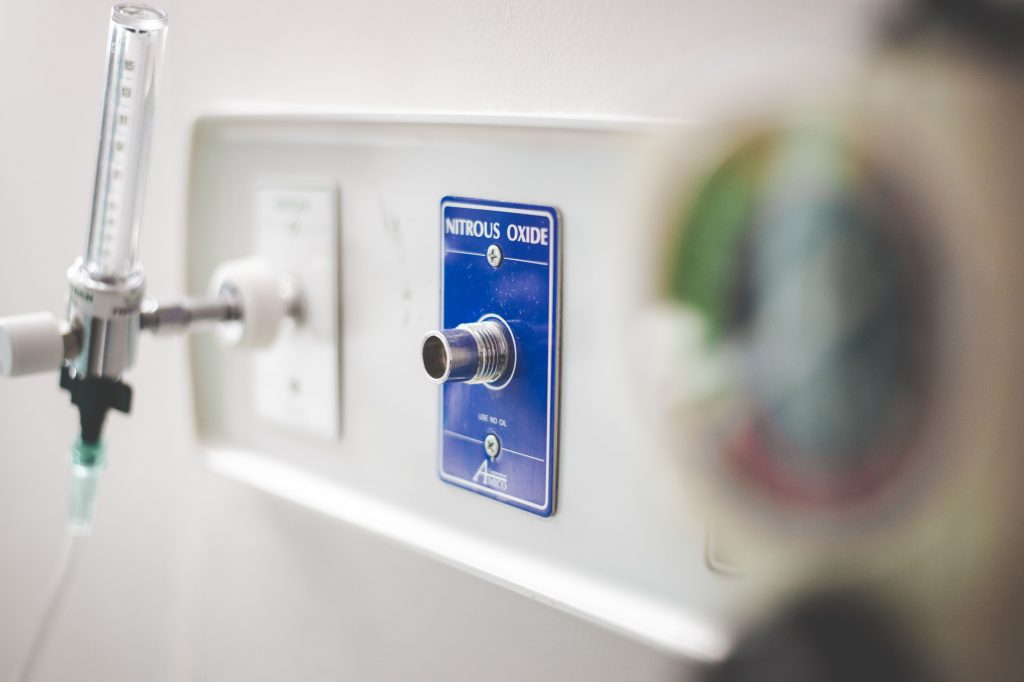
California Penal Code Section 381b PC makes it a misdemeanor to possess nitrous oxide, frequently referred to as “laughing gas” or “whippets,” with the specific intent to inhale or ingest it for recreational intoxication. Because nitrous oxide maintains widespread, legitimate utility across dentistry, culinary operations, and automotive performance tuning, simple possession of the substance is not inherently illegal in California. The offense hinges entirely on your underlying intent and state of mind.
Being investigated or formally charged under PC 381b requires immediate intervention from an experienced criminal defense lawyer. A misdemeanor conviction creates an indelible criminal record, triggering collateral consequences for professional licensing, employment background checks, and active probation status in Los Angeles County courts.
What Does California Penal Code 381b PC Say?
Under California Penal Code 381b PC, the state prohibits both the possession of nitrous oxide for recreational inhalation and knowingly being under its influence outside an authorized setting.
The statute sets forth two critical legal standards:
- Prohibited Acts & Intent: The law criminalizes possessing nitrous oxide, or any compound containing it, with the express intent to breathe, inhale, or ingest the gas to induce intoxication, euphoria, dizziness, stupefaction, or to alter mental, visual, or auditory processes. It equally criminalizes knowingly placing oneself under the influence of the substance for these reasons.
- Statutory Medical Exemption: The statute explicitly excludes individuals who are under the influence of nitrous oxide as a result of medical, surgical, or dental treatment administered by a licensed healthcare practitioner.
Key Takeaways on California’s Nitrous Oxide Law
- Dual Bases for Criminal Liability: Law enforcement can arrest you under PC 381b for either possessing the gas with the intent to get high or being actively impaired by it without a valid medical context.
- Possession Alone Is Not a Crime: Carrying chargers, tanks, or canisters does not constitute a violation on its own. The prosecution bears the burden of proving that you held the substance specifically to alter your mental state.
- Statutory Protections Apply: Valid medical and dental administration serves as an absolute defense against charges under this section.
How Prosecutors Build a Nitrous Oxide Possession Case
To secure a conviction under California Penal Code 381b PC, the prosecution must prove the following legal elements beyond a reasonable doubt:
- Possession or Impairment: You actually or constructively possessed nitrous oxide (or a compound containing it), or you were actively under its influence. Constructive possession means having direct control over the location where the substance was found, such as in your vehicle or home.
- Specific Intent to Become Intoxicated: You possessed the gas with the express purpose of inhaling or ingesting it to induce euphoria, dizziness, or intoxication, or to alter your audio, visual, or mental processes.
- Knowledge: You knew you possessed the substance and understood its potential to cause intoxication or alter your mental state.
Possession of nitrous oxide canisters or chargers alone is not a crime. If the prosecution fails to establish specific intent—such as when canisters are held for automotive, culinary, or commercial use—the charges cannot be sustained.
Penalties for PC 381b Violations
A conviction for possessing nitrous oxide under Penal Code 381b PC is classified as a misdemeanor in California. Potential consequences include:
- County Jail: Up to six months in Los Angeles County jail.
- Fines: A court fine of up to $1,000, plus mandatory penalty assessments.
- Summary Probation: Up to one to two years of informal probation, which may require community service or completion of drug education courses.
- Permanent Criminal Record: A misdemeanor conviction that appears on background checks, potentially impacting employment, housing, or professional license applications.
Drug Diversion Options (PC 1000)
Because PC 381b is a non-violent misdemeanor drug charge, eligible first-time offenders may qualify for deferred entry of judgment or drug diversion under Penal Code 1000. Completing a court-approved education program can result in a total dismissal of the charge, preserving a clean criminal record.
Consider a mechanic who keeps a case of nitrous oxide canisters in his shop for boosting customers’ engines. If police stop him for an unrelated issue and find the canisters in his van, the mere presence of nitrous oxide isn’t enough to convict him — the prosecution would have to prove he intended to inhale it to get high, not use it for his business. Now compare that to a passenger who inhales from a balloon at a concert and is later found with an empty canister in her bag; here, the surrounding circumstances (the balloon, the setting, her own statements) make it far easier for prosecutors to argue recreational intent.
How to Fight a Nitrous Oxide Possession Charge
An experienced criminal defense attorney can evaluate the evidence and deploy key defense strategies to challenge the state’s case:
- Lawful Commercial, Culinary, or Automotive Purpose: Nitrous oxide is widely used as a propellant for whipped cream dispensers, in professional kitchens, and for vehicle engine performance upgrades. Demonstrating that the canisters were held for legitimate commercial or personal utility refutes the claim of criminal intent.
- Valid Medical or Dental Exemption: If the substance was administered during a legitimate medical or dental procedure, you are protected under the explicit statutory exemption provided in PC 381b.
- Lack of Possession or Knowledge: Proving that the canisters belonged to someone else in a shared vehicle or residence, or that you were unaware of their presence, undermines the element of constructive possession.
- Illegal Search and Seizure (Fourth Amendment): If law enforcement officers discovered the nitrous oxide through an unlawful vehicle stop, warrantless search, or search without probable cause, your attorney can file a Motion to Suppress Evidence under PC 1538.5. Excluding illegally obtained evidence often forces a full dismissal.
Charges Often Filed Alongside PC 381b
- Penal Code 381c PC – Furnishing Nitrous Oxide to Minors: Selling, giving, or delivering nitrous oxide to anyone under 18 years of age.
- Penal Code 381d PC – Unlawful Sale of Nitrous Oxide: Selling nitrous oxide for non-commercial or non-medical purposes without proper verification or record-keeping.
- Health and Safety Code 11550 HS – Under the Influence of Controlled Substances: Charged if law enforcement suspects intoxication from other illegal narcotics or prescription substances alongside nitrous oxide.
- Vehicle Code 23152(f) VC – Driving Under the Influence of Drugs (DUID): Operating a motor vehicle while impaired by nitrous oxide or any other intoxicating substance.
Speak with a Los Angeles Nitrous Oxide Possession Lawyer
A misdemeanor charge under Penal Code 381b can still follow you for years on background checks, professional license applications, and employment screenings — you don’t have to face it alone. At The Law Offices of Arash Hashemi, our criminal defense attorney brings over 20 years of dedicated experience defending clients against drug-related charges across Los Angeles County courts. Attorney Arash Hashemi knows how local prosecutors evaluate nitrous oxide cases, and works aggressively to challenge unlawful searches, dispute claims of intent, and pursue reduced charges or a full dismissal.
Do not wait to protect your record. Call (310) 448-1529 or schedule a free consultation online to speak with our experienced criminal defense attorney about your case.
Disclaimer: The content provided here is for informational purposes only and does not constitute legal advice. It is not intended to predict outcomes, as individual circumstances vary and laws may change over time. Those seeking legal advice should consult with a qualified attorney to understand how current laws apply to their specific situation. For detailed legal guidance on the topics discussed, please contact our law firm directly.
