

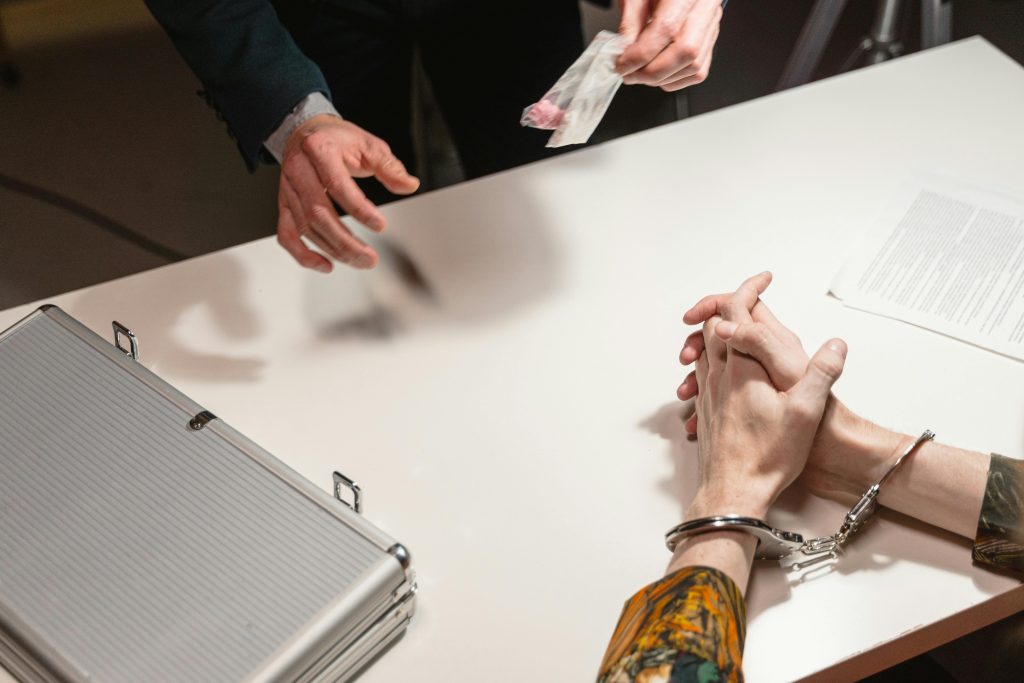
A standard traffic stop or street encounter can instantly escalate into a life-altering legal crisis if police find both illicit drugs and a firearm in your vehicle or on your person. In California, possessing a firearm while in possession of certain controlled substances is not a minor infraction or simple misdemeanor. It is charged as a serious felony under California Health and Safety Code 11370.1 HS (HSC 11370.1).
A conviction under HSC 11370.1 carries mandatory prison time and long-term consequences that can destroy your career, reputation, and personal freedom. If you or a loved one is facing charges under Health and Safety Code 11370.1 HS, understanding how this statute works and how an aggressive defense attorney can protect your rights is the first step toward safeguarding your future.
What Is California Health and Safety Code 11370.1 HS?
California Health and Safety Code 11370.1 HS makes it a felony to unlawfully possess a controlled substance while knowingly armed with a loaded, operable firearm.
Unlike standard drug possession charges—which are often charged as misdemeanors—the presence of a firearm elevates the offense to an aggressive felony prosecution. The law was designed to severely punish individuals who combine firearms with illicit drug possession, regardless of whether the weapon was ever brandished, pointed, or used in a violent manner.
What the Prosecutor Must Prove to Convict You (CALCRIM 2303)
Under California Jury Instruction CALCRIM 2303, a prosecutor cannot convict you simply because drugs and a weapon were found in the same general area. To secure a conviction under HSC 11370.1, the prosecution must prove every single one of the following legal elements beyond a reasonable doubt:
- Unlawful Possession: You unlawfully possessed a controlled substance (through actual physical possession, constructive control over the location where it was hidden, or joint control with another person).
- Knowledge of the Drug: You knew of the drug’s presence and were aware of its nature as a controlled substance.
- Usable Amount: The quantity of the drug was a usable amount, not merely microscopic traces or unusable residue.
- Armed with a Firearm: While possessing the drug, you were knowingly armed with a firearm. Under California law, “armed” means the firearm was available for immediate offensive or defensive use.
- Loaded and Operable: The firearm was both loaded and capable of being fired (operable).
If the district attorney fails to establish even one of these elements beyond a reasonable doubt, the HSC 11370.1 charge cannot stand.
Which Controlled Substances Are Covered Under HSC 11370.1?
Health and Safety Code 11370.1 HS does not apply to every substance on the market. It specifically targets high-schedule controlled substances, including:
- Cocaine and Cocaine Base (“Crack”)
- Heroin
- Methamphetamine
- Fentanyl (except for individuals who hold a valid, lawful medical prescription under HSC 11370.1(b))
- Phencyclidine (PCP)
- Amphetamines and Opiates
Note: Having a firearm while possessing other substances—such as large quantities of marijuana or unauthorized prescription pills—may lead to separate criminal charges under California law, but HSC 11370.1 specifically applies to the controlled substances listed above.
Penalties and Long-Term Consequences of a Felony Conviction
The statutory penalties for a conviction under Health and Safety Code 11370.1 HS are severe:
- State Prison Sentence: A conviction is punishable by two, three, or four years in California State Prison, alongside court fees and fines up to $10,000.
- Formal Probation Option: While state prison is the primary statutory punishment, a judge has the discretion to grant formal felony probation, which may include up to one year in county jail alongside strict court supervision, community service, and mandatory drug testing.
- Straight Felony Status: HSC 11370.1 is a “straight felony.” Unlike “wobbler” offenses in California, it cannot be reduced to a misdemeanor at sentencing or upon completion of probation.
- Loss of Gun Rights: A felony conviction results in a lifetime prohibition against owning, purchasing, or possessing firearms in California.
Why HSC 11370.1 Disqualifies You From Drug Diversion
Under standard drug possession laws (such as HSC 11377 or HSC 11350), first-time or non-violent offenders often qualify for California drug diversion programs like Penal Code 1000 (PC 1000) or Proposition 36. These programs allow defendants to complete treatment in exchange for a full dismissal of their charges.
Because a firearm is involved, HSC 11370.1 strictly bars you from standard court diversion programs. You cannot simply enter treatment to avoid a criminal record; fighting the charge in court or negotiating a charge reduction is required to avoid prison.
Legal Defense Strategies for HSC 11370.1 Charges
An experienced criminal defense attorney can deploy several targeted strategies to challenge the prosecution’s evidence:
Firearm Was Inoperable or Unloaded
HSC 11370.1 explicitly requires the firearm to be loaded and operable. If the gun was missing critical firing components, broken, completely unloaded, or if ammunition was stored separately where it could not be quickly loaded, the essential elements of the crime are not met.
Gun Was Not Available for Immediate Use
To be legally considered “armed” under HSC 11370.1(c), the weapon must be readily accessible for immediate offensive or defensive use. If the firearm was locked securely inside a trunk, encased in a locked container, or completely out of reach, your attorney can argue that you were not armed within the legal definition of the statute.
Lack of Knowledge or Constructive Possession
If you were driving a shared vehicle or were in a residence with multiple occupants, the prosecution must prove you knew the drugs or weapon were present. Demonstrating that the contraband belonged to a passenger or prior occupant can undermine the state’s case.
Illegal Search and Seizure (Fourth Amendment Violation)
Many drug-and-gun arrests begin with traffic stops or street encounters. If police officers conducted a traffic stop without reasonable suspicion, extended the detention unlawfully, or searched your vehicle or residence without a valid warrant or constitutional exception, your attorney can file a Motion to Suppress Evidence under Penal Code 1538.5. If granted, the court must throw out the illegally seized evidence, typically forcing a total dismissal of charges.
Why Early Legal Intervention Is Critical
When you are arrested for an HSC 11370.1 violation, law enforcement submits their arrest reports to the district attorney for filing. The pre-filing period is a critical window of opportunity.
Through early intervention, your defense lawyer can step in before formal charges are filed in court. By presenting favorable evidence—such as proof that the gun was unloaded, evidence of an unlawful search, or witness statements showing lack of possession—your attorney can negotiate directly with prosecutors.
In many cases, early negotiation can persuade the district attorney to drop the firearm allegation entirely and file a simple misdemeanor possession charge instead. Restoring the case to a simple drug possession charge opens the door to PC 1000 drug diversion, keeping you out of prison and protecting your permanent record.
Contact a Los Angeles Defense Attorney Today
A felony charge under California Health and Safety Code 11370.1 HS threatens your livelihood, reputation, and personal liberty. You do not have to navigate the complex California criminal court system alone.
At The Law Offices of Arash Hashemi, our criminal defense attorney brings over 20 years of dedicated experience defending clients against serious felony drug and weapon allegations across Los Angeles County courts. Attorney Arash Hashemi knows how local prosecutors evaluate these charges, and works aggressively to challenge police procedure, negotiate favorable pre-filing outcomes, and protect your constitutional rights.
Do not wait for formal charges to be filed. Call (310) 448-1529 or schedule a free consultation online to speak with our experienced criminal defense attorney about your case.
Disclaimer: The content provided here is for informational purposes only and does not constitute legal advice. It is not intended to predict outcomes, as individual circumstances vary and laws may change over time. Those seeking legal advice should consult with a qualified attorney to understand how current laws apply to their specific situation. For detailed legal guidance on the topics discussed, please contact our law firm directly.
